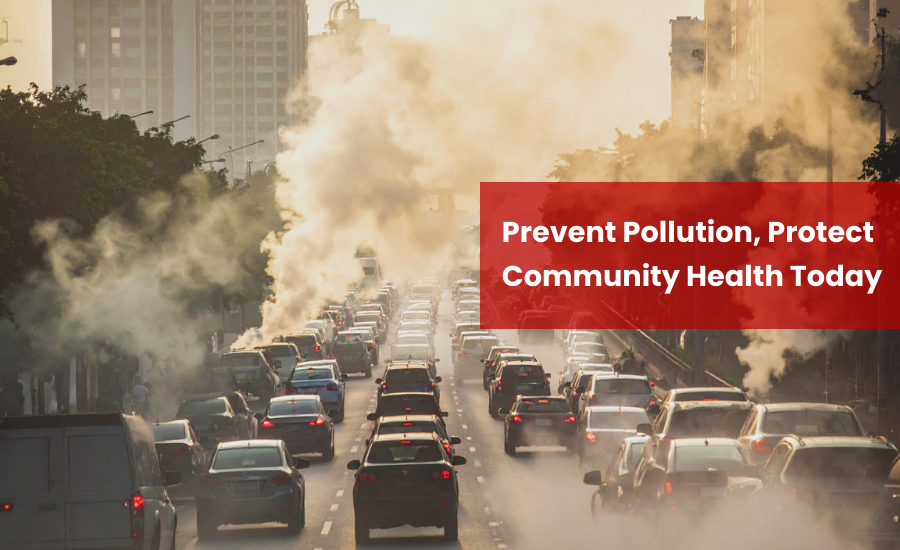
Understanding the Silent Threat to Our Community's Well-being
December 2nd is National Pollution Control Day in India. This day highlights not only the environmental crisis but also a growing public health emergency affecting every family in Rudrapur and across Uttarakhand. As we acknowledge this important day, it’s essential to understand how pollution impacts our health and what we can do to shield ourselves and our loved ones.
The Reality of Pollution in India Today
Recent research shows that exposure to fine particulate matter contributes to around 1.5 million deaths annually in India, making air pollution one of our most significant health challenges. In cities throughout India, including Uttarakhand, PM2.5 levels have reached concentrations ten times higher than what the World Health Organization considers safe.
Pollution isn’t just about numbers. It involves real people: a young mother gasping for air on her morning walk, an elderly man suffering from a stubborn cough, and children whose developing lungs are at risk before they even know what pollution is.
How Pollution Silently Attacks Your Body
Pollution doesn’t merely mean dirty air or contaminated water. It refers to tiny invaders that enter our bodies with each breath, steadily affecting our health in ways we may not immediately notice.
The Journey of Pollutants in Your Body
Particles smaller than 2.5 micrometers can penetrate deep into the lungs and may lead to asthma and heart problems. Imagine something so small, about 30 times thinner than a human hair, making its way through your respiratory system and into your bloodstream. This is the invisible enemy we confront daily.
Health Conditions Linked to Pollution
Respiratory System Impact:
- Chronic cough and throat irritation
- Asthma and allergic reactions
- Chronic Obstructive Pulmonary Disease (COPD)
- Bronchitis and pneumonia
- Reduced lung function in children
- Increased risk of respiratory infections
Cardiovascular System Damage:
- High blood pressure
- Heart attacks and strokes
- Irregular heartbeat
- Arterial inflammation
- Higher chance of heart disease
Other Serious Health Effects:
- Eye irritation and vision issues
- Skin allergies and premature aging
- Weakened immune system
- Sleep problems
- Mental health issues including anxiety and depression
- Pregnancy complications and developmental issues in children
Who Needs to Be Extra Careful?
Some groups are more vulnerable to pollution’s health effects. This includes pregnant women, young children, elderly people, and those with health conditions. Additionally, outdoor workers, traffic police, construction workers, and street vendors face higher risks and exposure levels.
When to Seek Medical Help: Your Health Matters
If you or a family member have any of the following symptoms, especially on high-pollution days, consult a healthcare professional:
Immediate Medical Attention Required:
- Severe difficulty breathing or shortness of breath
- Ongoing chest pain or tightness
- Sudden wheezing or respiratory distress
- Extreme fatigue with breathing issues
- Bluish lips or fingernails
Schedule a Consultation if You Experience:
- Chronic cough lasting more than two weeks
- Frequent shortness of breath
- Recurring headaches or dizziness
- Ongoing eye or throat irritation
- Worsening respiratory conditions
- Unusual skin rashes or allergies
Which Doctor Should You Consult?
At Gautam Hospital Rudrapur, we know that pollution-related health issues need specialized care. Here’s a guide to finding the right specialist:
General Medicine Department
For respiratory and overall health assessment
If you have breathing issues, a chronic cough, or asthma symptoms, our general physicians are your first point of contact. Our general medicine specialists can:
- Conduct thorough respiratory assessments
- Diagnose and treat asthma, COPD, and bronchitis
- Provide care for pneumonia and respiratory infections
- Create personalized management plans for chronic conditions
- Advise on preventive healthcare strategies
Book an appointment with General Medicine for complete health evaluation and respiratory care.
Cardiology Department
For heart and cardiovascular concerns
Pollution has a major effect on heart health. If you have chest pain, an irregular heartbeat, high blood pressure, or a family history of heart disease, our cardiologists can help with:
- Cardiovascular risk assessment
- ECG and cardiac monitoring
- Treatment for pollution-related heart issues
- Preventive cardiology consultations
Consult our Cardiology Experts to take care of your heart health.
Pediatrics Department
For your children’s health
Children’s developing bodies are especially sensitive to pollution. Our pediatricians focus on:
- Childhood asthma and allergies
- Respiratory infections in kids
- Growth and development assessments
- Preventive healthcare for children in polluted areas
Schedule a Pediatric Consultation to protect your child’s health.
ENT (Ear, Nose, Throat) Department
For upper respiratory tract issues
Do you have persistent throat irritation, sinus issues, or ear discomfort? Our ENT specialists provide:
- Treatment for chronic sinusitis and rhinitis
- Management of throat and nasal irritation
- Allergy testing and care
- Solutions for voice and breathing problems
Connect with our ENT Specialists for relief from respiratory discomfort.
Smart Daily Habits:
- Check Air Quality Daily: Monitor the Air Quality Index before outdoor activities.
- Time Your Outdoor Activities: Exercise in the early morning when pollution is often lower.
- Wear Protection: Use N95 or N99 masks on high-pollution days.
- Create Clean Indoor Spaces: Use air purifiers and keep windows closed during peak pollution hours.
- Stay Hydrated: Drink plenty of water to help your body eliminate toxins.
- Boost Your Immunity: Eat antioxidant-rich foods like fruits, vegetables, and nuts.
Home Environment:
- Use indoor plants like snake plants, aloe vera, and peace lilies that purify air.
- Ensure good ventilation while cooking.
- Avoid excessive burning of incense or candles.
- Keep your home dust-free with regular cleaning.
- Use natural cleaning products instead of harsh chemicals.
Diet for Pollution Defense:
Include these in your daily diet:
- Foods high in Vitamin C (citrus fruits, guavas, amla)
- Omega-3 fatty acids (walnuts, flaxseeds, fish)
- Antioxidant-rich vegetables (spinach, broccoli, carrots)
- Turmeric and ginger for their anti-inflammatory effects
- Green tea for detox benefits
Our Commitment to Your Health
At Gautam Hospital Rudrapur, we’re dedicated to more than just treating illnesses; we’re your partners in improving health. On National Pollution Control Day, we’re committed to:
- Providing thorough health screenings for pollution-related conditions
- Delivering specialized care across various departments
- Educating our community on pollution and health awareness
- Supporting preventive healthcare efforts
- Being available 24/7 for health emergencies
Taking the First Step Toward Better Health
Pollution control is not only the government’s duty or an environmental concern, it’s a matter of personal health. Every small action matters, whether it’s using public transport, planting a tree, cutting down on waste, or checking air quality before children go outside to play.
Your health is your most valuable asset. In today’s polluted world, being proactive rather than reactive can make a big difference.
Don't Wait for Symptoms to Worsen
If you’ve been dealing with pollution-related health issues or wish to understand your risk factors better, we invite you to visit Gautam Hospital Rudrapur. Our skilled medical team is here to provide personalized care, accurate diagnosis, and effective treatment plans tailored to your needs.
Gautam Hospital Rudrapur
Care with Compassion
Emergency Contact: +91 8171519629
Appointment Booking: +91 9286402640
Location: Bigbara, Kiccha Road, Near Radha Swami Satsang Bhawan
Udham Singh Nagar,
Rudrapur, Uttarakhand 263153